
A lockout tag is a warning device used in industrial safety procedures to prevent equipment from being energized while maintenance or repair work is underway. It attaches to an energy-isolating device such as a circuit breaker, valve, or disconnect switch—and communicates a clear message: do not operate.
The Short Answer: It Saves Lives
When a machine is being serviced, someone could accidentally turn it on. A lockout tag serves as both a physical barrier and a communication tool. It tells every person in the facility that this equipment is off-limits. While a lock physically prevents operation, the tag provides essential information who placed it, why, and when it should be removed. Together, they form the backbone of lockout/tagout (LOTO) programs that prevent serious injuries and fatalities.
What a Lockout Tag Actually Does
1. Communicates Danger Clearly
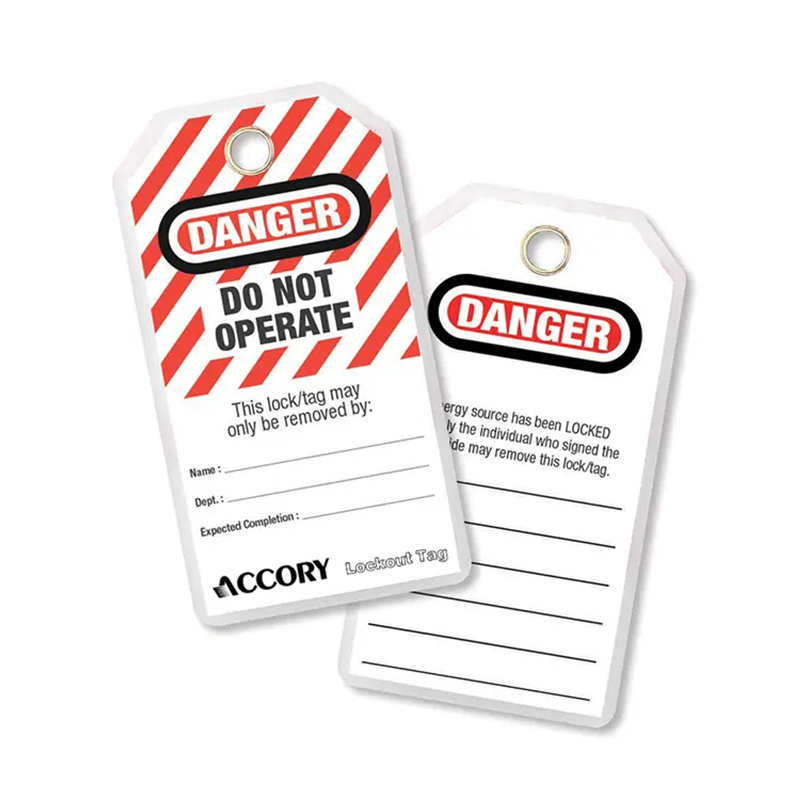
A lockout tag is not subtle. It is typically bright red, yellow, or orange with bold text that says “DANGER,” “DO NOT OPERATE,” or “LOCKED OUT.” In a noisy industrial environment where verbal communication can fail, the tag provides an unmistakable visual warning. Anyone approaching the equipment sees immediately that it is not to be touched.
2. Identifies the Person Responsible
Every lockout tag includes space to write the name of the worker who applied it, the date, and often the reason for the lockout. This accountability matters. If a lock is left on overnight or over a weekend, the tag tells supervisors who to contact before removing it.
3. Provides Essential Context
A lock alone does not explain why equipment is locked out. A lockout tag carries that information whether it is routine maintenance, electrical repair, or a mechanical breakdown. This context helps coordinate work across shifts and prevents accidental removal by someone unaware of the ongoing job.
4. Supports Group Lockout Procedures
When multiple workers are servicing the same piece of equipment, they each apply their own lock and tag to a group lockout device. A lockout tag ensures that each individual is accounted for. No one can restore power until every worker has removed their personal tag.
Lockout Tags vs. Locks: They Work Together
A common question is whether a lockout tag is safer than a lock. The answer is that they serve different purposes. A lock provides physical security it prevents the energy-isolating device from being operated. A lockout tag provides information. Neither is sufficient alone. Safety regulations in most countries require both: a lock to secure the device and a tag to warn others. Using only a tag without a lock is generally not considered safe because someone might ignore or overlook the warning.
Key Features of Effective Lockout Tags
- Durable material: Tags must withstand industrial conditions oil, water, heat, and rough handling. Heavy-duty laminated paper, plastic, or metal tags are common.
- Secure attachment: A lockout tag must be tied or attached in a way that prevents casual removal. Some tags come with self-locking ties or are placed under the lock itself.
- Standardized language: Most facilities use tags with pre-printed warnings in multiple languages to ensure clear communication.
- Writeable surface: A space for the worker’s name, department, and date is essential for accountability.
- Photo or ID option: Some tags include a space for a photo or employee ID to further verify the person who applied it.
Where Lockout Tags Are Required
Lockout tags are used anywhere energy hazards exist.
- Manufacturing plants: Lathes, presses, conveyors, and robotic cells all require lockout/tagout during maintenance.
- Electrical panels: When electricians work on live or de-energized circuits, a lockout tag on the breaker prevents accidental re-energization.
- HVAC and mechanical systems: Pumps, fans, chillers, and boilers are locked and tagged during repair to prevent unexpected startup.
- Construction sites: Temporary lockout tags are used on portable generators, temporary power panels, and heavy equipment.
- Water treatment and utilities: Pumps and valves are locked and tagged to protect workers during system maintenance.
Legal and Regulatory Context
In many countries, lockout/tagout is not optional. Occupational safety agencies require employers to have a written energy control program that includes lockout tags. The purpose is to ensure that workers are protected from unexpected release of hazardous energy. Failing to use lockout tags properly can result in serious citations, fines, and more importantly worker injury or death. For safety managers and business owners, understanding what a lockout tag does is the first step toward compliance and a safer workplace.
What to Look for When Choosing Lockout Tags
If you are responsible for purchasing lockout tags, consider your specific environment. Outdoor or wet locations may require waterproof tags. High-temperature areas may need metal tags. For facilities with multilingual workforces, tags printed in two or three languages improve safety. Also consider whether you need reusable tags or disposable ones. Reusable tags with write-on/wipe-off surfaces work well for daily lockout applications, while disposable tags are often used for longer outages or one-time events.
Final Thoughts
A lockout tag does more than hang on a switch. It communicates danger, assigns responsibility, provides context, and supports group safety procedures. It is not a replacement for a lock but an essential partner to it. In any facility where hazardous energy exists, lockout tags are a simple, low-cost tool that prevents serious accidents. Taking the time to understand what a lockout tag does and using them correctly is one of the most effective ways to protect your team and maintain a safe workplace.
Post time: Apr-21-2026