
If you require the protection of your products against moisture, dust or other contaminants, it is important to understand this cutting-edge technology. The article discusses what a Metal Barrier Seal is, how it works, the components that comprise it, and the variety of types available to ensure you are informed and have the information needed to make an educated decision regarding your sealing requirements.
What Is a Metal Barrier Seal?
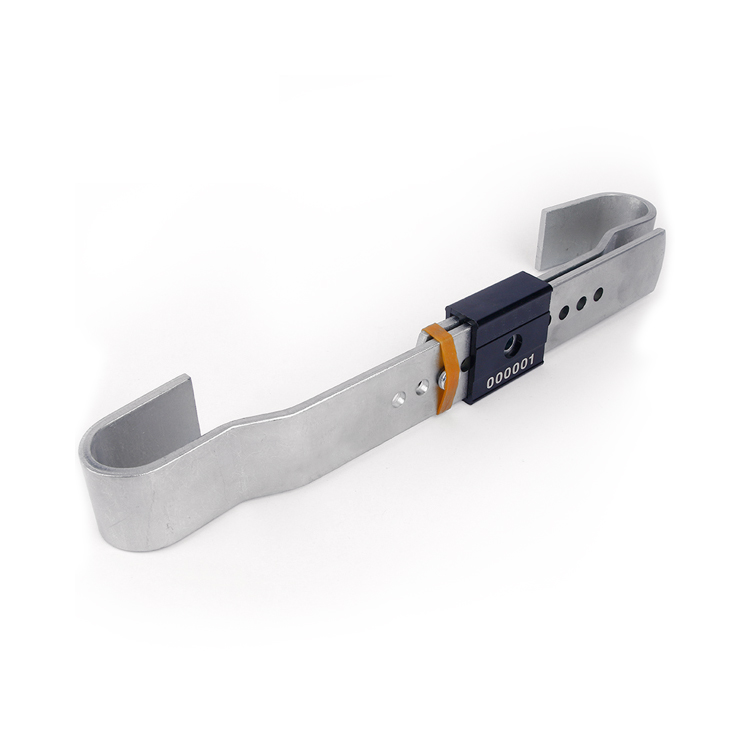
A Metal Barrier Seal is a solid sealing option mainly utilized in industrial applications to prevent the entry of moisture and contaminants to sensitive areas. Metal Barrier Seals are designed for harsh environmental conditions while also providing a high level of integrity. Compared to traditional seals, metal seals have greater resilience and are ideal for critical uses such as HVAC systems, storage facilities, and manufacturing plants.
How Does a Metal Barrier Seal Work?
A Metal Barrier Seal functions in a fairly simple fashion; however, it is extremely effective. Metal Barrier Seals are constructed using metal, rubber or polymer materials with multiple components designed to provide the best possible interface between two surfaces. They create a complete barrier between two sealed surfaces and maintain the integrity of the environment that is being sealed against moisture, dust and other contaminants.
By maintaining the proper installation techniques when applying a Metal Barrier Seal, they provide a solid line of protection against moisture, dust and other environmental contaminants, allowing for a complete primary seal.
Key Components of a Metal Barrier Seal
Several components work together to make a Metal Barrier Seal effective:
1. The Metal Body: The body, made of stainless steel or aluminum, gives strength and durability because it has high resistance to corrosion and therefore protects seal quality over time.
2. Gasket Material: Gaskets are commonly manufactured from materials such as EPDM and silicone, and they form a secure, tight seal by compressing together enough so there aren’t any gaps left open which could allow moisture or air to enter.
3. Fastening Mechanism: To ensure the seal remains secure under fluctuating environmental conditions, reliable fastening mechanisms such as bolts or clamps are needed.
Types of Metal Barrier Seals
There are many different kinds of metal barrier seals, depending on what purpose they will serve. Some of the more frequently used metal barriers include:
1. Flanged Metal Seals: Flanged connections typically use these to provide a strong seal, and they will have a variety of size options.
2. Welded Metal Seals: Welded directly onto the equipment, the seals provide a long-lasting moisture barrier for permanent applications, even in severe temperature conditions.
3. Clamp-On Metal Seals: This seal is flexible and can easily be removed and reused, which makes it a great option for temporary installation where equipment access is needed on an ongoing basis.
FAQs About Metal Barrier Seals
What are the benefits of using a Metal Barrier Seal? There are several benefits associated with having more advanced protective measures against environmental influences, longer-lasting products and decreased future maintenance expenses.
Can Metal Barrier Seals be customized? Many manufacturers provide customizable options in order to satisfy each customer’s requirements in terms of size, material, and finish. Manufacturers can provide you with a device that fits your application perfectly.
Where are Metal Barrier Seals commonly used? Seals of this type are typically used in HVAC systems, food processing plants, pharmaceutical manufacturing, and various other industries where it is important to prevent contaminants from entering the working environment.
To sum up, a Metal Seal is a must—have for any industry that requires a strong barrier against moisture and contamination. Each different style design, material (and) type was engineered to fulfill a particular operation’s unique requirements. Knowledge about metal seals and their function will help you make informed decisions about how best to maintain integrity in your current facility or create new facilities by providing the necessary information needed to increase your operational efficiencies. High-quality sealing solutions are critical to your long-term success and will give you an advantage over your competition.
Post time: Jun-23-2026