
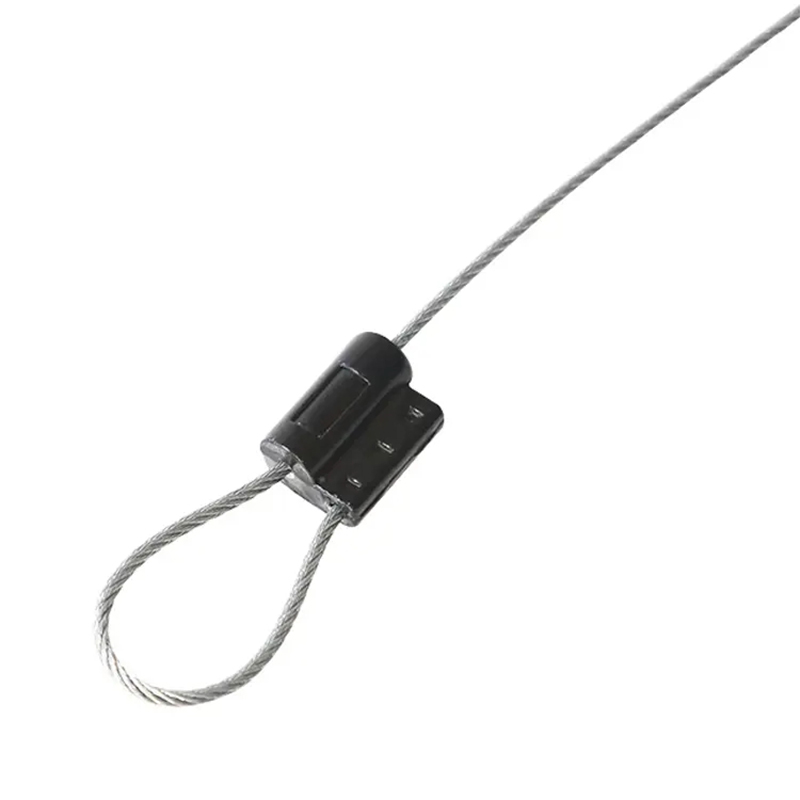
A zinc alloy cable seal is a security device used to lock meters, utility boxes, shipping containers, and other enclosures. Unlike fixed-length seals, this one comes with an adjustable strap. You pull it to the exact length you need, then lock it. The body is made of zinc alloy, which is strong, corrosion-resistant, and harder to cut than plastic or aluminum seals. If you need adjustable cable seals for tamper-proofing equipment or goods, this type offers a good balance of strength and ease of use.
Why Choose an Adjustable Cable Seal Over Fixed Seals
Fixed-length seals work fine when you know the exact size you need. But in many real-world situations, the distance between locking points varies. A meter box might have holes that are not perfectly aligned. A truck door may need a different length each time. With adjustable cable seals, you simply pull the cable through until it fits snugly. Then you lock it. No measuring, no guessing, and no carrying multiple sizes. This flexibility saves time and reduces inventory.
Where Zinc Alloy Adjustable Cable Seals Are Used
●Utility meters:Electric, water, and gas meters need seals to prevent tampering. A zinc alloy body resists weather and tools.
●Shipping containers:Trucks and cargo containers use adjustable cable seals to secure doors during transit.
●Fire extinguisher cabinets:Safety inspections require proof that equipment has not been accessed improperly.
●Vending machines and kiosks:Cash and product compartments stay locked until authorized service.
●Valve locks:Industrial pipelines use cable seals to show whether a valve has been turned.
●Electrical cabinets:Substations and telecom boxes need durable, adjustable seals.
Key Advantages of Zinc Alloy Adjustable Cable Seals
●Stronger than plastic:Plastic seals snap easily with basic hand tools. Zinc alloy requires cutters or bolt cutters, which leaves clear evidence of tampering.
●Adjustable length:You are not stuck with a fixed loop size. Pull the cable to fit, then lock. This works for small or large bundles.
●Corrosion resistant:Zinc alloy handles rain, humidity, and salt spray better than plain steel. It will not rust and seize up.
●Clear tamper evidence:Once locked, the seal cannot be opened without cutting. Broken or missing seals tell you immediately that someone accessed the enclosure.
●Easy to apply by hand:No special tools needed. Pull the cable through the locking mechanism, tighten, and it is done.
●Numbered for tracking:Most zinc alloy cable seals come with a unique serial number stamped on the body. This helps with audit trails and inspection records.
How to Use Adjustable Cable Seals Correctly
Using one takes only a few seconds. Insert the cable end into the locking hole on the seal body. Pull the cable through until the loop is tight around your hasp or bundle. Push the locking mechanism closed. Give the cable a firm tug to confirm it is locked. To remove, you must cut the cable with wire cutters or bolt cutters. The seal cannot be reused. This one-time locking feature is what makes it tamper-evident.
What to Look for When Buying Adjustable Cable Seals
When shopping for adjustable cable seals, check four things.
First, cable thickness. Thicker cables (1.5mm to 2.5mm) are harder to cut but may not fit through small holes. Choose based on your application.
Second, body material. Zinc alloy is the standard for medium to high security. For lower security, plastic or aluminum may be enough. For very high security, look for hardened steel.
Third, length range. Most adjustable seals work from about 100mm to 300mm or more. Make sure the minimum and maximum lengths fit your needs.
Fourth, numbering and barcodes. If you need to track each seal, choose ones with clear laser-etched numbers and optional QR or barcode labels.
Common Questions Buyers Ask
Can I reuse a zinc alloy cable seal?
No. Once locked, the mechanism is designed to break if you try to reopen it. This is intentional. Reusability would defeat the tamper-evident purpose.
Are these seals waterproof?
The zinc alloy body is water-resistant. The internal locking mechanism may have small gaps. For underwater or constant rain exposure, look for seals with a rubber gasket or sealed design.
How do I remove one without tools?
You cannot. That is the point. Only cutting tools will remove it. This makes it clear when someone has opened the sealed item.
What is the difference between a cable seal and a padlock?
A padlock is reusable and requires a key or combination. A cable seal is one-time use and tamper-evident. For security audits, seals are preferred because broken seals cannot be hidden. Padlocks can be relocked and no one knows they were opened.
Are adjustable cable seals compliant with industry standards?
Many zinc alloy cable seals meet ISO 17712 for container seals or ANSI standards for utility meters. Always check the product specifications if compliance is required for your industry.
Installation Tips for Utility and Security Personnel
Keep a pair of good quality bolt cutters on your truck for removals. When applying a seal, pull the cable until there is no slack. A loose seal can be slipped off without cutting. Record the seal number in your log before locking. After locking, take a photo with your phone if documentation is critical. Store unused seals in a secure place. Loose seals in a shared truck can be stolen and used to fake a seal.
Summarize
A zinc alloy adjustable cable seal gives you flexibility and security in one small package. You do not need to measure or carry multiple fixed sizes. Just pull, lock, and record. Whether you manage utility meters, shipping logistics, or industrial equipment, adjustable cable seals save time and provide clear tamper evidence. Keep a box of them in your service vehicle. Once you switch from fixed seals to adjustable ones, you will wonder why you waited so long.
Post time: Apr-14-2026