
If you handle cash regularly, you know that keeping it secure during transport or storage is more than just tossing it in a bag. A cash bag seal gives you a simple, reliable way to know if anyone has tampered with your funds. These single-use seals lock bags shut, and the only way to open them is to break the seal, leaving clear evidence if something’s wrong. It’s a small step that adds a layer of protection for businesses, banks, or anyone moving money from one place to another.
What a Cash Bag Seal Actually Does
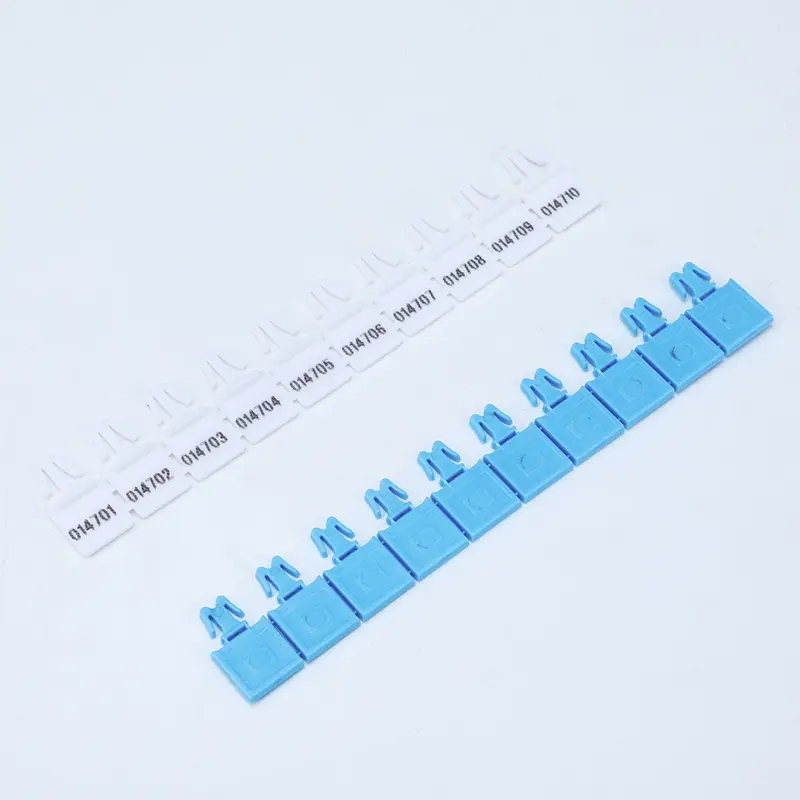
Think of a cash bag seal as a lock that can’t be picked. Once you close it, that bag isn’t opening without someone cutting or breaking the seal. Most are made from durable materials like plastic or metal, with a unique number printed on them so you can track each bag. If the seal arrives broken or the number doesn’t match your records, you know immediately that something’s off. It’s not about making the bag impossible to open, it’s about making sure you notice if someone did.
Why People Use Cash Bag Seals
The main reason businesses use a cash bag seal is accountability. When cash changes hands, from a store manager to an armored truck driver to a bank teller, everyone wants proof that the bag wasn’t opened along the way. The seal provides that proof. If it’s intact, the cash inside is assumed safe. If it’s broken, you have a clear starting point to ask questions.
Another reason is deterrence. Someone thinking about helping themselves to cash from a bag is a lot less likely to try if they know the broken seal will be spotted right away. It removes the “maybe nobody will notice” factor. For employees handling cash, it also takes suspicion off them when procedures are followed and seals are checked.
Where You Need a Cash Bag Seal
Wondering if this applies to your situation? Here are common places a cash bag seal is used:
●Retail Stores: Night deposits, register pickups, and transfers to the office all get sealed so cash makes it intact.
●Banks and Credit Unions: When moving money between branches or to the vault, seals keep every transaction verified.
●Armored Transport: Guards and drivers use seals on every bag they carry so clients know their cash wasn’t touched.
●Events and Fundraisers: Temporary setups with lots of cash coming in benefit from sealing bags before they leave the premises.
●Any Business with Cash: If you have daily drops or multiple people handling money, seals create a clear chain of custody.
How to Choose the Right Seal
Not all seals are the same. When choosing one, keep a few things in mind. Material matters plastic is lightweight and low-cost, while metal is tougher if cutting is a concern. The locking mechanism should click shut securely and not pop open by accident. Numbering is also key; sequential numbers make tracking simple, and barcodes help if you’re scanning into a system. Don’t forget bag size seals come in different strap lengths to fit whatever bags you’re using.
Simple Steps for Using Cash Bag Seals
Using them is simple. Fill your bag, pull the strap through the head until it’s tight, and listen for the click. That click means it’s sealed. Write down the seal number if you’re tracking by hand, or scan it if you use a system. When the bag gets to where it’s going, the receiver checks that the number matches and the seal isn’t broken before opening. If something’s wrong, they speak up right away.
If you handle cash and want to worry less about theft or arguments, a cash bag seal is an easy solution. No training needed, no special gear. Just a seal, a bag, and a habit of checking numbers. For what it costs and the peace of mind it gives, it just makes sense. Whether you run a small shop or manage cash across multiple spots, knowing your money stayed sealed until it reached the right hands takes a weight off your shoulders.
Post time: Mar-10-2026