
When securing an area or warning of hazards, barricade tapes are vital for safety across various settings. The choice between red and yellow tape goes beyond color each signals a different risk level and required response. Understanding this distinction ensures proper use, compliance with safety standards, and effective protection for all.
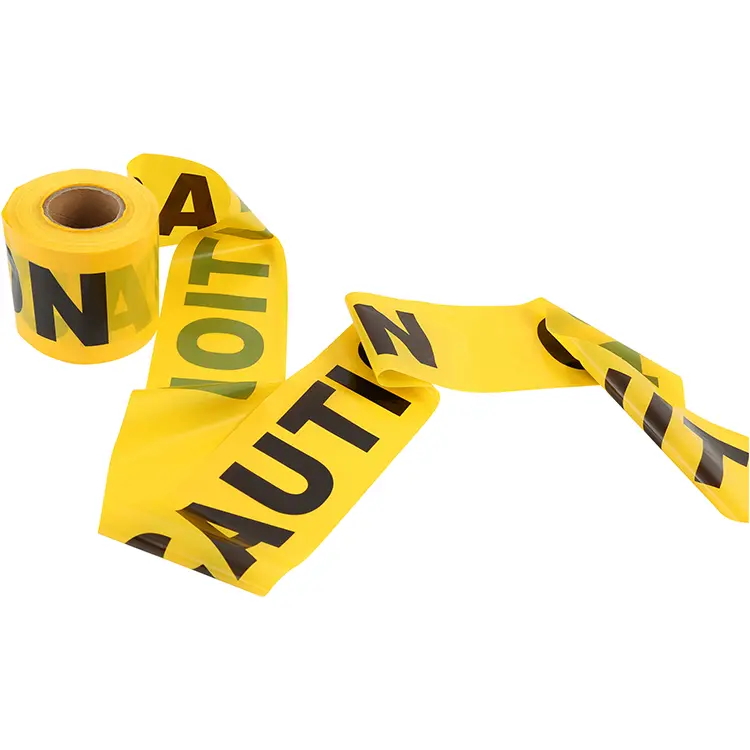
Yellow Barricade Tape: A Universal “Caution” Signal
Yellow is the color most widely associated with caution and general warning. Yellow barricade tapes often come printed with phrases like “CAUTION,” “KEEP OUT,” or “WET FLOOR.”
Meaning: Be aware—potential hazards are present.
Common Uses:
◇Marking off minor trip or slip hazards
◇Delineating areas where maintenance is underway
◇Defining safe walkways around low-risk zones
◇Securing perimeter for non-emergency public events
Think of it as: A preventative measure to encourage careful behavior.
Red Barricade Tape: A Clear “Danger” or “Stop” Signal
Red signals immediate danger and is understood internationally as a “stop” or “prohibited” indicator. Red safety tapes are typically imprinted with strong words like “DANGER,” “NO ENTRY,” or “FIRE LINE.”
Meaning: Stop—serious, immediate hazards exist. Entry is forbidden without authorization.
Common Uses:
◇Isolating live electrical work or high-voltage areas
◇Blocking access to structural collapses or chemical spills
◇Marking fire scenes or active investigation zones
◇Securing areas with a direct threat to life or safety
Think of it as: A critical barrier to prevent access to life-threatening risks.
How to Choose the Right Barricade Tape for Your Job
◆Assess the Risk: Is the hazard potential (use yellow) or immediate and severe (use red)? Using red for minor issues can cause alarm fatigue, while using yellow for grave dangers is a serious safety failure.
◆Check Regulations: Some industries or local authorities have specific guidelines. It’s always wise to verify if your workplace follows OSHA, ANSI, or other safety standards regarding barrier tape colors.
◆Consider Durability Needs: For outdoor or long-term use, select tapes made from polyethylene or polypropylene that are weather-resistant and UV-stabilized.
◆Prioritize Clear Messaging: The most effective barricade tapes combine bold color with easy-to-read, repetitive text. This visual and textual reinforcement ensures understanding regardless of language or background.
Why Using the Correct Barricade Tape Matters
Choosing the appropriate color isn’t just about best practice—it’s a key part of responsible safety management. Correct usage:
◆Prevents Confusion: Clear signals help people react appropriately.
◆Reduces Accidents: Proper hazard communication is a proven way to avoid injuries.
◆Ensures Compliance: Meets workplace safety requirements and can reduce liability.
◆Promotes Efficiency: Everyone on site understands the boundaries and risks immediately.
Summarize
Yellow barricade tape says “Be Careful,” while red barricade tape says “Stay Out.” By matching the tape color to the level of hazard, you create a safer, more organized, and legally compliant environment. Whether you’re stocking up for a project or planning an event, understanding this fundamental difference helps you make the right choice for effective and reliable safety demarcation.
Post time: Jan-19-2026