
If you’ve ever wondered whether a package was opened, you’ve likely encountered tamper-resistant tape. It’s a specialized adhesive tape designed to show visible evidence of tampering. Unlike standard packing tape, its job is to tell you if someone tried to open a box or access point before you did. This guide covers what tamper resistant tapes actually do, where they’re used, and how to choose the right one.
What Makes Tamper-Resistant Tape Different?
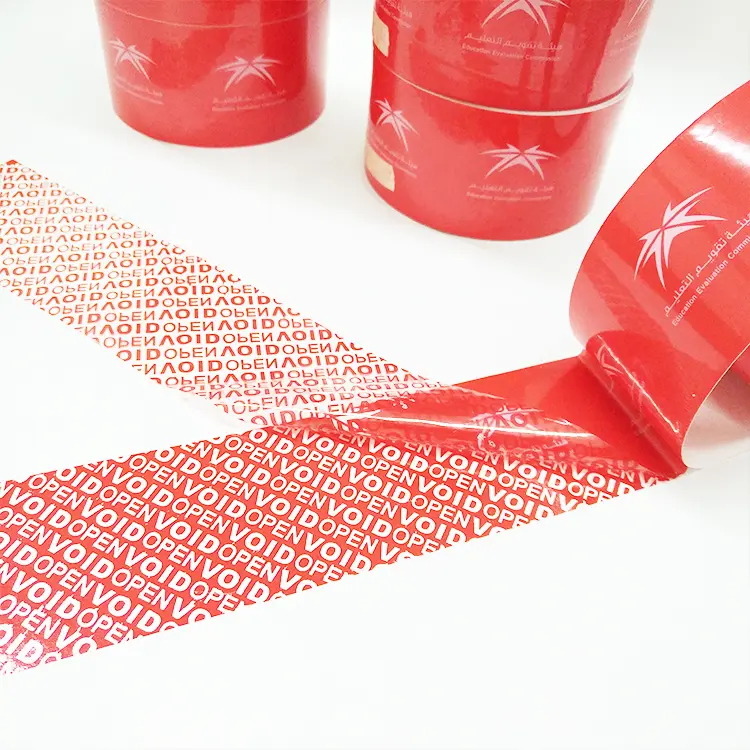
Ordinary tape seals a box. Tamper-resistant tape seals it with accountability. The key difference lies in the adhesive, the backing material, and the built-in tamper indicators. When someone tries to peel the tape off, it might leave behind a visible “void” pattern, shred into fragments, change color, or become impossible to reapply cleanly. These features turn a simple seal into a clear security checkpoint.
For businesses, this means fewer disputes over damaged or intercepted shipments. For individuals, it means peace of mind when shipping sensitive documents or valuable items. Tamper resistant tapes are used in logistics, healthcare, food safety, retail, and even government applications.
The Most Common Tamper Indicators
Not all tamper-resistant tapes work the same way. Depending on the type you choose, you’ll see one or more of the following indicators after an attempted breach:
●Void messages: The tape leaves a repeating “void,” “open,” or custom text pattern on both the tape and the surface when removed.
●Fragmentation: The tape breaks into small pieces upon removal, making it impossible to reassemble.
●Color change: The tape shifts color when peeled, revealing the attempt.
●Destructive adhesive: The adhesive bonds so aggressively that removal damages the tape or the packaging surface.
●Each of these serves the same purpose: making unauthorized access immediately obvious. If you’re shipping high-value items or securing inventory, this visibility alone often deters tampering before it even happens.
Where Tamper-Resistant Tapes Are Used
One of the reasons tamper resistant tapes are so widely adopted is their versatility. You’ll find them in:
●Shipping and logistics: Sealing cartons, pallet wraps, and export containers to prevent pilferage during transit.
●Healthcare and laboratories: Securing specimen containers, medical device packaging, and pharmaceutical shipments where integrity is critical.
●Food and beverage: Sealing ingredient bins, catering orders, or retail packaging to maintain safety standards.
●Retail and electronics: Protecting returns by ensuring products haven’t been opened or used.
●Data centers and security cabinets: Sealing server racks or access panels where unauthorized entry poses a risk.
In each case, the goal is the same: create a clear, non-repudiable record of whether a seal was broken.
How to Choose the Right Tape
When selecting a tamper-resistant tape, start with the surface. Some tapes adhere better to corrugated cardboard, while others are formulated for plastics, glass, or metal. Next, consider the environment. If the tape will be exposed to extreme temperatures, moisture, or rough handling, choose one rated for those conditions.
You’ll also want to think about visibility. If you need a seal that’s obvious at a glance, bright colors or custom-printed tapes work well. If stealth is required, clear or subtle options are available. Finally, consider how the tape should fail. Do you need it to shred, leave a void pattern, or become permanently bonded? Matching the failure mode to your security needs is just as important as the adhesive strength.
Benefits Beyond Security
While theft prevention is the most obvious benefit, tamper resistant tapes offer other advantages. They reduce liability by providing clear evidence of handling, streamline returns by confirming product condition, and support regulatory compliance in industries where chain of custody matters. They also act as a psychological deterrent when a seal clearly shows that tampering will be visible, attempts often don’t happen in the first place.
Common Questions Buyers Ask
One of the most frequent questions is whether tamper-resistant tape can be reused. Generally, no. Most are designed for single use, and attempting to reapply them usually results in obvious visual damage. Another common question is whether it leaves residue. High-quality options are engineered to leave clear tamper evidence without leaving difficult-to-clean adhesive behind, though this varies by product.
Summarize
Tamper-resistant tape isn’t just another packing supply. It’s a simple, cost-effective layer of accountability. Whether you’re running a warehouse, managing a lab, or just shipping something important, the right tape gives you something ordinary packaging can’t: proof. By understanding the different types, indicators, and surface considerations, you can choose a solution that fits your specific security needs without overcomplicating the process.
If you’re still unsure which type suits your application, start with the surface material and the level of visibility you need. From there, the right choice becomes much clearer.
Post time: Mar-24-2026