
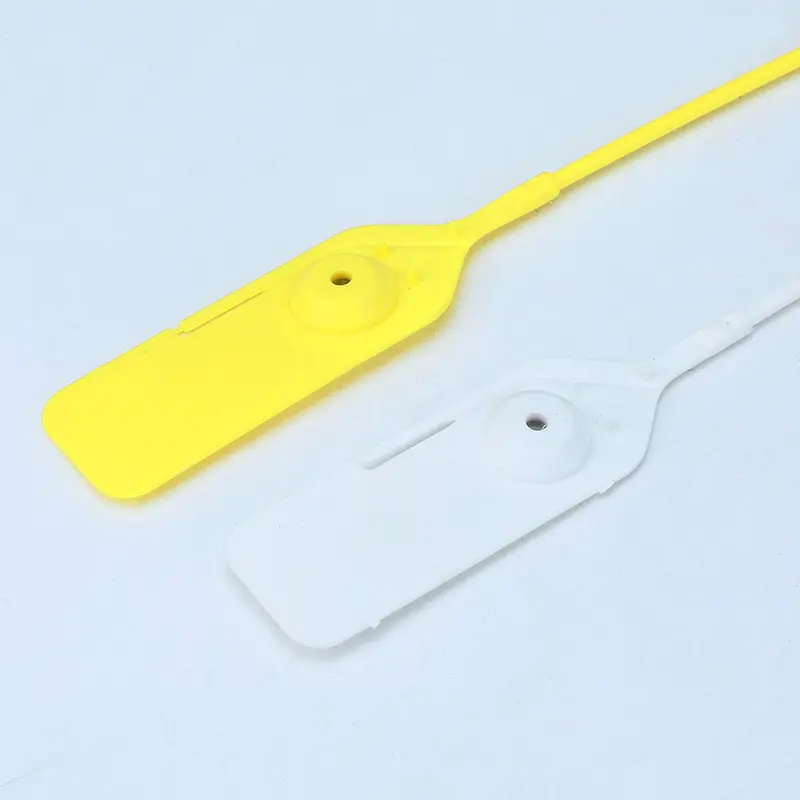
A tanker seal is a critical security device used to protect liquid shipments like fuel, chemicals, or food products. It is applied to the valves and openings of tanker trucks or railcars to prevent tampering and contamination. Its main purpose is to provide a tamper-evident, single-use barrier, ensuring cargo remains safe and secure from loading until delivery, reducing both safety risks and potential financial loss.
Key Functions and Practical Benefits
Think of a tanker seal as both a lock and a guarantee. Its design offers several direct advantages for logistics managers, safety officers, and operators:
◆Tamper Evidence: The seal visibly breaks if tampered with, providing crucial proof of security for documentation and audits.
◆Leak Prevention: It locks closures securely to prevent accidental opening and spills during transit.
◆Cargo Integrity: It safeguards sensitive goods, such as food or pharmaceuticals, from contamination.
◆Compliance and Documentation: Sequentially numbered seals offer verifiable records to meet industry regulations and shipping requirements.
Common Types and Applications
Not all seals are the same, and choosing the right one depends on the application:
◆Bolt Seals: Often used for high-security applications on kingpin locks or large valve handles. They are robust and require tools to remove.
◆Cable Seals: Flexible and versatile, ideal for securing manifolds, hatches, or situations where the sealing point isn’t rigid.
◆Barrier Seals: These create a physical barrier over a valve handle, making it impossible to operate the valve without breaking the seal.
These are essential in industries like:
◆Fuel and Chemical Transport: Where security and leak prevention are paramount.
◆Food and Beverage Logistics: To guarantee hygiene and prevent tampering.
◆Waste and Recycling: Ensuring hazardous materials are transported securely.
Selecting the Right Seal
When purchasing, consider the material (often durable plastics or metals for high security), the level of tamper evidence required, and the specific fit for your tanker’s valves. The right seal isn’t just a piece of plastic or metal; it’s a small investment in security, safety, and operational peace of mind, ensuring that what goes in the tanker comes out exactly the same.
Post time: Jan-27-2026