
Cable markers are important tools used to keep track of wires and cables in an electrical system. While used for industrial applications, residential installations, or network setups, cable markers create clarity through cable identification, classification, and organisation. Without proper cable identifier markings, electrical systems can quickly devolve into chaos, making them difficult to maintain, resulting in prolonged downtime and increased safety hazards. This article will discuss the purpose of cable markers, the importance, types of cable markers available, and how to apply them correctly.
What Is the Purpose of a Cable Marker?
The main purpose of cable markers is to enable quick and easy identification of wires and cables, especially in complex systems like manufacturing sites, construction projects, and data centers that contain hundreds or even thousands of cables. They provide a clear identification system for each cable’s function, voltage rating, and connection points, reducing the risk of misconnections, simplifying troubleshooting, and minimizing human error. Effective cable marking improves productivity and helps comply with industry standards.
Why Are Markers For Cables Important?
There are many reasons for using markers on all cable and wire products:
- Safety: If cables are properly marked and can easily be identified, it decreases the chance of accidents such as shocks or fires due to the misuse of cables.
- Maintenance Efficiency: By having cables properly identified with a marker, technicians can easily and quickly find the cable that needs replacing prior to having to guess or troubleshoot cables.
- Organization: Cable systems look more professional the way cables are organized and ease upgrades and management over time.
- Compliance: Cable markers assist with compliance to the numerous and sometimes very strict regulations that different industries have concerning cable and wiring systems.
What Types of Cable Markers Are There?
There are several different types and options available in the marketplace for marking wires depending on the specific application desired by the user:
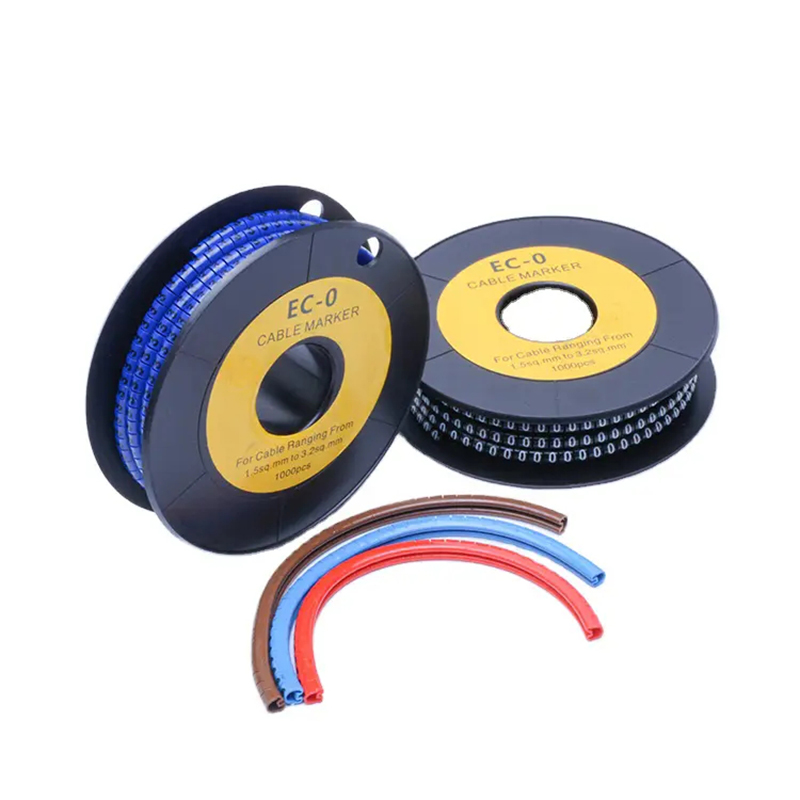
- Circular Cable Markers: These are small and sometimes color-coded tags that slide onto an individual wire for identification. They are commonly used on very fine gauge wire or large bundles of wires as an easy way to identify the wire.
- Heat Shrink Markers: These are made from material that reacts to heat. They slide onto the wire and are then heated to shrink around the wire for a very tight fit.
- High-Temperature Adhesive Markers: Commonly used for cable identification at elevated temperatures.
- Adhesive Labels: Mostly consist of a pair of adhesive labels attached to both ends of a cable with printed text, symbols, or barcodes for all detailed identification needs.
- Clip-On Markers: Easily attach to and remove from cables; they are ideal for use in a temporary cable installation arrangement.
- Flag Type Markers: Flag-shaped markers provide adequate labeling space as they can be utilized for larger diameter cables and wires.
What Is the Appropriate Way to Apply Cable Markers?
Proper implementation of cable markers increases their durability and effectiveness. You can take the following most advantageous practices for utilizing cable markers:
- Choose the Right Marker: Consider the environment where the cables will be utilized (i.e. temperature, moisture) and then select a marker appropriate for that specific environment.
- Mark Cables Prior to Installation: Marking cables before installing them in tight places or bundles is significantly easier than marking them post-installation.
- Label Clearly: Use easy-to-read fonts, proper sizes, or industry-recognized codes for easy identification.
- Secure Markers to Cable: Ensure that markers are secured tightly enough to avoid the displacement or removal of the cable marker.
- Invest In Good Quality Marker Material: Good quality cable markers last longer than poor-quality markers and should therefore be used in demanding environments.
Other Uses for Cable Markers
Many other industries utilize cable markers, in addition to basic cable identification, to solve different industry requirements:
- Telecommunications Industry: Organizing to help locate fiber optic and network cables to simplify troubleshooting or organization.
- Construction Industry: Identifying each floor’s wire in multi-story buildings to assist with installation or future repair work.
- Manufacturing Industry: Labeling cables within an automated line to maximize efficiency and minimize downtime for maintenance of the automated line.
- Marine and Aerospace Industries: Marking cables that are subject to extreme elements such as high humidity or vibration.
FAQs
What Is the Purpose of a Cable Marker?
A cable marker permits technicians and users easy, safe identification of cables in a given electric system to improve troubleshooting, organization, and identification.
Why Is a Cable Marker Important?
This marker provides not only a means of creating a higher level of safety but also compliance with government regulations, while improving methods of maintenance and the convenience of having an organized, professional electrical system.
What Types of Cable Markers Are There?
The most common types of cable markers are circular cable markers, heat shrink tubes, adhesive labels, clip-on markers, and flag cable markers.
How Do You Apply Cable Markers Properly?
Identify the appropriate marker type for your environment, label the cable prior to installation, maintain clear, concise identification, secure the marker to the cable, and choose a high-quality marker material.
Cable markers are essential for organizing and identifying electrical systems of all sizes. They improve safety, ensure compliance, speed up maintenance, and contribute to a professional, well-organized system. Whether using circular markers or heat shrink labels, high-quality, properly applied markers help maintain system organization. Following best practices ensures the markers function as intended and helps extend the life of the electrical system.
Post time: Mar-31-2026