
Seal locks are commonly referred to as security seals. They provide a means of securing products during transport and storage, and they are utilized in a wide range of industries, including freight shipping, warehousing, and other industries where product integrity is critical. This article will show you how to work with seal locks, outline available types, and provide answers to frequently asked questions about use.
What Is the Definition of a Seal Lock?
A seal lock is a tamper-evident device used to secure containers/trucks/doors or other things, providing visual and physical evidence that they have been opened or tampered with at any time. Because seal locks can only be used once, they are typically used for situations where security is critical like shipping/logistics/customs clearance, etc.
Instructions for Using Seal Locks
To ensure that seals are applied correctly, follow these instructions:
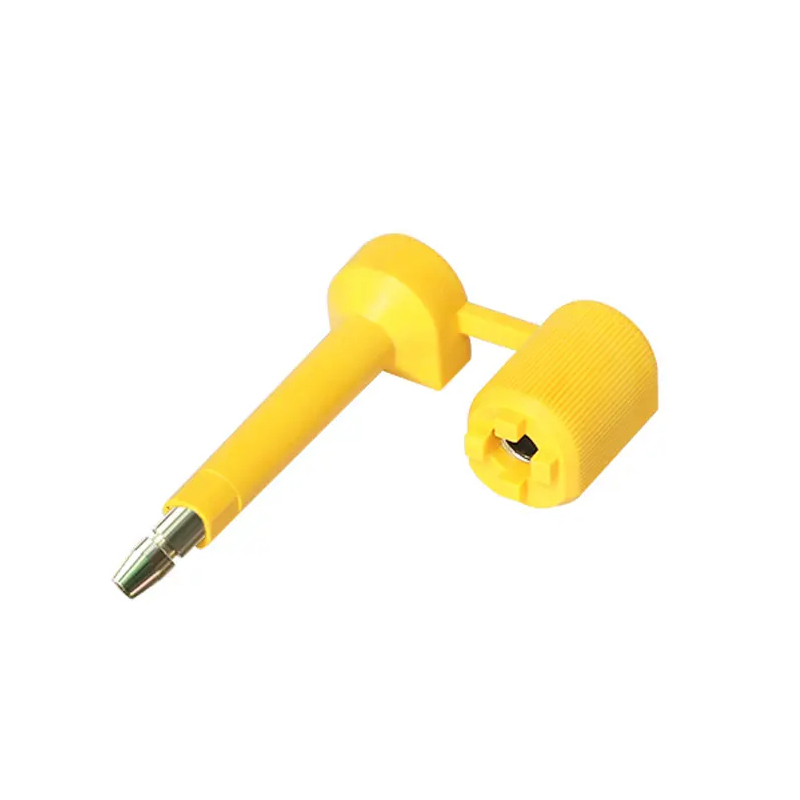
- Choose the corect type of seal lock based on your application (i.e., Bolt Seal for containers; Cable Seal for equipment).
- Attach the seal at the location intended for locking; e.g., for a container seal lock, you would insert the bolt through the latch (hole).
- Make sure the seal is secured as demonstrated by either pressing the lock or fastening it according to design.
- Write down the unique serial number provided with the seal. You’ll be able to check the integrity of a seal by the number assigned to that seal when it is inspected or turned in for an item that was delivered.
Keep in mind that the majority of seal locks are designed to be used once and then disposed of. To ensure that a seal lock cannot be reused or bypassed without being detected you must remove it with the correct tool.
What Are the Various Types of Lock Seals?
There are many types of lock seal systems, and they are created for specific purposes.
- Bolt Seals: These are constructed of heavy material that are excellent for protecting shipping containers, truck doors, and any application requiring high levels of security.
- Cable Seals: These seals are adjustable and can be put in a variety of positions. They are often used for securing larger items or awkwardly shaped items.
- Plastic Seals: These are low-cost and lightweight seals that are typically used for securing bags or boxes.
- Metal Strip Seals: These are very thin, sturdy seals that provide an extra layer of security on doors and hatches.
- Padlock Seal: The function of this seal is to be similar to that of a regular padlock. They serve the dual purpose of providing security and also to detect tampering if opened in the wrong way.
How Do You Secure a Lock Block?
A lock block is another method of securing a latch system. Sealing your cargo or storage items is easy when you follow these simple steps:
- Choose the correct lock block for your cargo/storage item.
- Insert the seal into its proper slot in the lock block.
- Push/twist the locking mechanism until the locking mechanism snaps securely into place.
- Check that the seal is securely attached and cannot be removed without breaking it.
This system guarantees that the lock block has been sealed properly, protecting your cargo from unauthorized access/tampering while in transit/stored.
How Do You Open a Seal Lock on a Container?
Removing a container seal lock consists of being cautious so that you do not injure yourself or damage either the container or its contents. Most seal locks are designed specifically to be tamper-evident; therefore, you must break/cut the seals off. Heavy duty tools such as bolt cutters will work on bolt seals, while wire cutters will work on cable seals, so use those tools.
- Confirm the serial number on your seal against the serial number shown on your shipping documents to be sure they match.
- Using an appropriate tool, such as a bolt cutter or wire cutter, cut the seal at its designated breaking point.
- Dispose of the broken seal immediately to prevent confusion or potential misuse.
Why Choose the Right Seal Lock?
Using an appropriate seal lock plays an important role in adding protective measures to your goods during shipment/storage and meeting regulatory compliance requirements. Seal locks help prevent theft, provide peace of mind, and ensure that goods are not tampered with while in transit. Consider factors such as the type of cargo, required security level, and environmental conditions when choosing the proper seal lock.
FAQs About Seal Locks
What Are the Different Types of Seal Locks?
As stated above, there are multiple types of seal locks, including bolt seals, cable seals, plastic seals, etc. Each seal type has specific functions based on the application and the security level needed for that application.
How Do I Seal a Lock Block?
To seal a lock block, you must insert the seal properly into the designated location and ensure that the seal is properly secured. Before you use the seal, be sure you cannot remove it without breaking it first.
How Do I Open a Seal Lock on a Container?
To open a container seal lock, you will need some type of cutting tool; for example, bolt cutters. Always verify that the serial number on your seal matches the serial number that is listed on your shipping documentation before you open the container.
What Is the Function of a Seal Lock?
The function of a seal lock is to provide additional security for preventing unauthorized access and/or tampering. Seals are very commonly used in the shipping/logistics industry to help make sure the integrity of the package stays intact and has not been altered during the shipping process.
Seal locks help keep your goods safe and in good condition, whether in storage or during transit. By choosing the right seal lock and using it correctly, you can improve security and meet compliance requirements. Whether you’re shipping worldwide or securing a personal storage unit, high-quality seal locks are a simple and effective way to protect your goods.
Post time: Apr-28-2026