
Shipping container locks protect against unauthorized entry and reveal tampering. Whether for logistics, shipping, or industrial needs, knowing how to unlock a container seal safely is essential. This article outlines the steps to unlock a shipping container seal lock and answers common questions so you have the information needed to proceed.
What Is a Seal Lock?
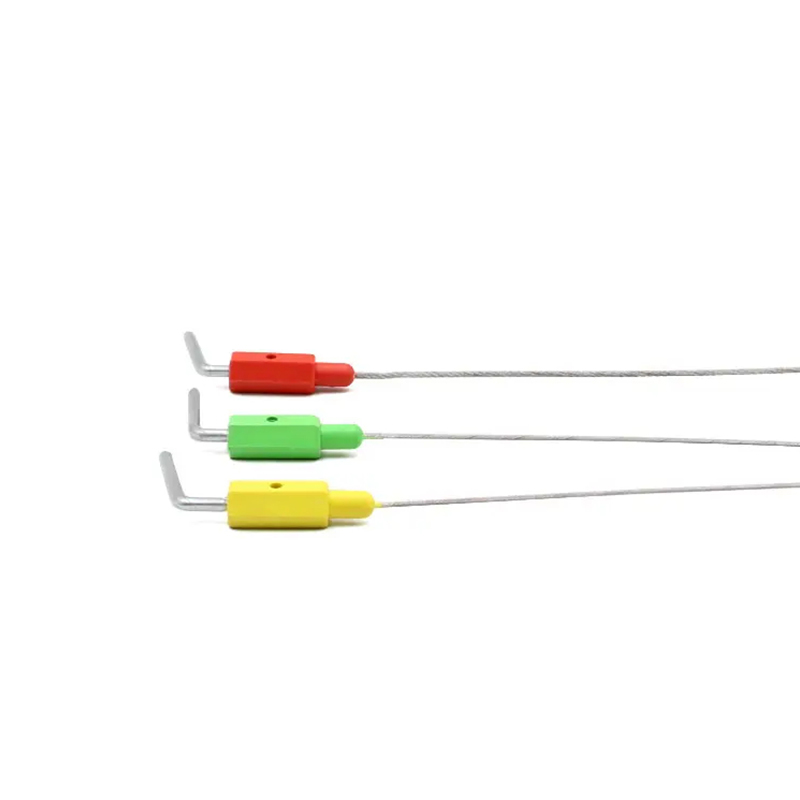
A seal lock is a strong locking mechanism, which could be used on various types of containers, trucks and large storage units. Seal locks are made of high-strength materials such as steel and/or other durable plastics. Seal locks are used as a tamper-evident security measure that will prevent unauthorized access. They are especially popular within the shipping, logistics, and manufacturing industries to secure high-value goods during the transportation process. Seal lock types include bolt seals, cable seals, and plastic seals, each serving different purposes and levels of security.
Each seal lock has a unique number associated with the lock to also help in identification. Having unique numbers or compounding numbers allows only authorized personnel to verify the integrity of the shipment to provide accurate accountability and robust security.
How to Open a Shipping Container Seal Lock
To open the shipping container seal lock system is simple, as long as you have the right equipment available to you and follow the proper procedures to unlock the shipping container lock. Here is a step-by-step process to follow:
●Identify the type of seal lock: You will need different tools to remove various types of seal locks (e.g., bolt cutters for bolt seals, wire cutters for cable seals, or just a regular pair of pliers for plastic seals).
●Inspect the seal lock: Look at the seal closely before you try to remove it and ensure it matches the record for the identification number of the seal and that the cargo has not been tampered with.
●Use the correct tool: Place the cutting tool in the vicinity of the seal lock. Once it is positioned correctly, apply even pressure to cut through the seal lock. Very high-security bolts seals may require extra force or different tools to cut.
●Properly dispose of the seal: After the seal is cut off, save the broken piece to be used for your records and for any future audits.
Keep in mind that trying to open the seal lock without authorization may set off security alarms, and you could face consequences legally if you don’t have the proper authority to open the container.
How to Use a Container Seal
It is just as essential to use a seal lock on a container as it is to remove the seal correctly. Here are the instructions for attaching a seal to a container:
Confirm that your container’s doors are closed completely, and the containers (doors) are aligned properly.
Select a type of seal lock appropriate to the security level you would like to achieve: bolt seals for high security or plastic seals for lighter security.
Insert the seal locking device through the container handles via the seal locking holes located specifically for this purpose.
Lock the seal lock securely, ensuring you hear a click if it’s a bolt seal, or that it’s been tautly fastened with cable or plastic to prevent gaps in the link.
Once the seal lock has been installed, make a record of the seal number. This is necessary to maintain the integrity of the seal during transport and at the channel point of delivery.
FAQs About Seal Locks
Q: What is a seal lock?
A: A seal lock is a tamper-evident security device that secures a shipping container (or truck or storage physical unit) during transit and protects an item from being tampered with before it reaches its final destination.
Q: How do I open a lock (up) carrier container?
A: To open a container that has been secured with a seal lock, use the above-mentioned sequence in reverse order, using the appropriate tool for the specific seal type and cutting through to the locking mechanism (seal). Ensure that you’ve been authorized to access the container.
Q: How can I determine if a container seal has been tampered with?
A: To determine if a seal has been tampered with, check for signs of a cut, for evidence of being pulled away with force, or check to see if there is a difference between the recorded seal number and the seal itself. A tampered with seal will usually appear either broken, misshapen or entirely missing.
Q: Are all seal locks made for re-use?
A: No, most seal locks such as bolt seals and plastic seals are only designed for one-time use and cannot be reused for security reasons. However, seal lock nuts used in an industrial application are examples of seal locks that can be reused.
Additional Tips for Secure Container Operations
Beyond the basic understanding of how to utilize and remove seal locks, here are a few additional tips:
●Always verify the seal number upon delivery versus your record for accuracy.
●Train your employees to utilize and inspect seal locks as part of the quality control organization process.
●Utilize a combination of various security outlines, as well as seal locks, with the use of seal lock welding fluid for maximum security.
Security is important for anyone in the shipping and logistics industry, and seal locks are part of the foundation for securing your supply chain.
Final Note: If you are unsure how to seal a container or how to open a seal lock, ask someone else to assist you or read through the manufacturer’s instructions, so you do not experience damage or face legal ramifications.
Understanding how to manage a container seal lock will help you improve efficiencies in your operations and avoid delays with your goods, ultimately resulting in a successful delivery and receipt of your goods to your customers.
Post time: May-16-2026